Explorer by nature, pioneer by choice
ALESSA BERG
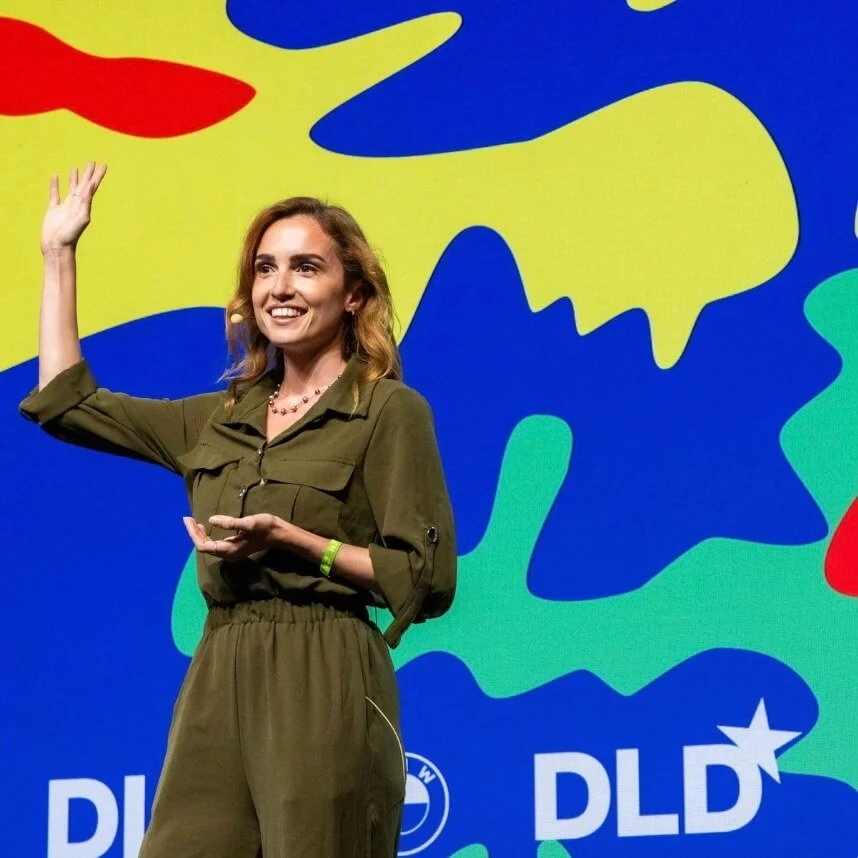
Swiss-born entrepreneur and investor
Alessa’s first entrepreneurial activities started when she was 11 years old. From there onwards, it’s been a ride!
Alessa grew up in Lugano, Switzerland and is fluent in 6 languages. During high school, she started focusing on neuroscience while working as a windsurf and snowboard instructor on the side.
She graduated from Oxford University in 2012 and began her career in M&A at Goldman Sachs and private equity at Blackstone. After working in early-stage VC investing and structuring her personal investment activities, she went back to business building.
Alessa founded Top Tier Impact (TTI) in 2019. Today, TTI is the global ecosystem of investors, LPs, entrepreneurs, professionals and public figures across more than 50 countries. TTI runs weekly investment events across its 30+ city chapters and during gatherings such as the World Economic Forum and COP. TTI’s investment unit facilitates investments into growth-stage companies across emerging markets, such as the €90m debt investment into Wave Mobile Money.
On governance & monetary systems
While writing university papers to compare different governance systems in 2012 and reading YC's Hacker News each day, I came across the Bitcoin paper thanks to a very active blog thread.
My aha moment was along the lines of "just like the internet created an innovation ground for startups, this is creating an innovation ground for new governance models". So in 2014, I moved to one of the very few VC funds in Europe that already understood blockchain technology and actively invested in it.
During those times, many dared to question the unquestionable. Imagine the unimaginable. I believe those times are back… in a more institutional, mainstream way.
Every monetary system encodes power, every governance structure embeds incentives, every rule set shapes behavior at scale. What’s considered “safe” and by whom when everything reprices at once? Which mechanisms exist to absorb shocks, and which just defer them?
Governance is never neutral. Incentives shape extraction or regeneration. Scale amplifies whatever values are embedded at the base layer.
When uncertainty becomes structural, people don’t choose systems based on ideology. They choose what functions. Then, legitimacy naturally emerges from use vs permission.
Like a lion tracker said in South Africa: “You may not know where you’re going, but you know exactly how to get there.”
I’m excited to live in these times of change.
Onwards!
On land, capital and resilience
Land is the original store of value.
Yet, it isn’t fungible.
I believe that, until now, markets have tried to address this in ways that play to the weaknesses rather than the strengths of its lack of fungibility. Structuring non-fungible value into equal units, unless done with a clear investment thesis and auditable incentive structure, creates distortions and “race to the bottom” dynamics.
On top of that, the failure to account for the value of nature in our economic system has led to many of the negative externalities and Prisoner’s Dilemma dynamics we face today, such as pollution. Natural resources represent value, infrastructure and ecosystem integrity. The quality of soils, water and forests can be measured. We’re only beginning to discuss how to account for that.
From 1990 to 2024, the annualized total return for farmland in the US was 10.11%. For the S&P 500 over the same time period, it was 10.5%.
And the above doesn’t account for differences in risk profiles and volatility.
I see an open space to build longer-term investment theses around land assets, which sit at the foundational layer of verticals such as agriculture, infrastructure and real estate.
I also see space to differentiate between paths that maximize yield vs. long-term value appreciation, especially because those are often in conflict with each other. The strategies that improve short-term yields are very different from those that enhance long-term asset value.
If you focus on long-term asset value, you also align with increasing biodiversity. The quality of your land assets matters. Beyond that, you have to take into account a wide range of variables that will affect value in the long run - from geopolitics to weather patterns.
In a world that is repricing risk and re-evaluating resilience, the question isn’t whether you have a thesis on this. It’s what thesis you have, and why.
I share about these topics here.
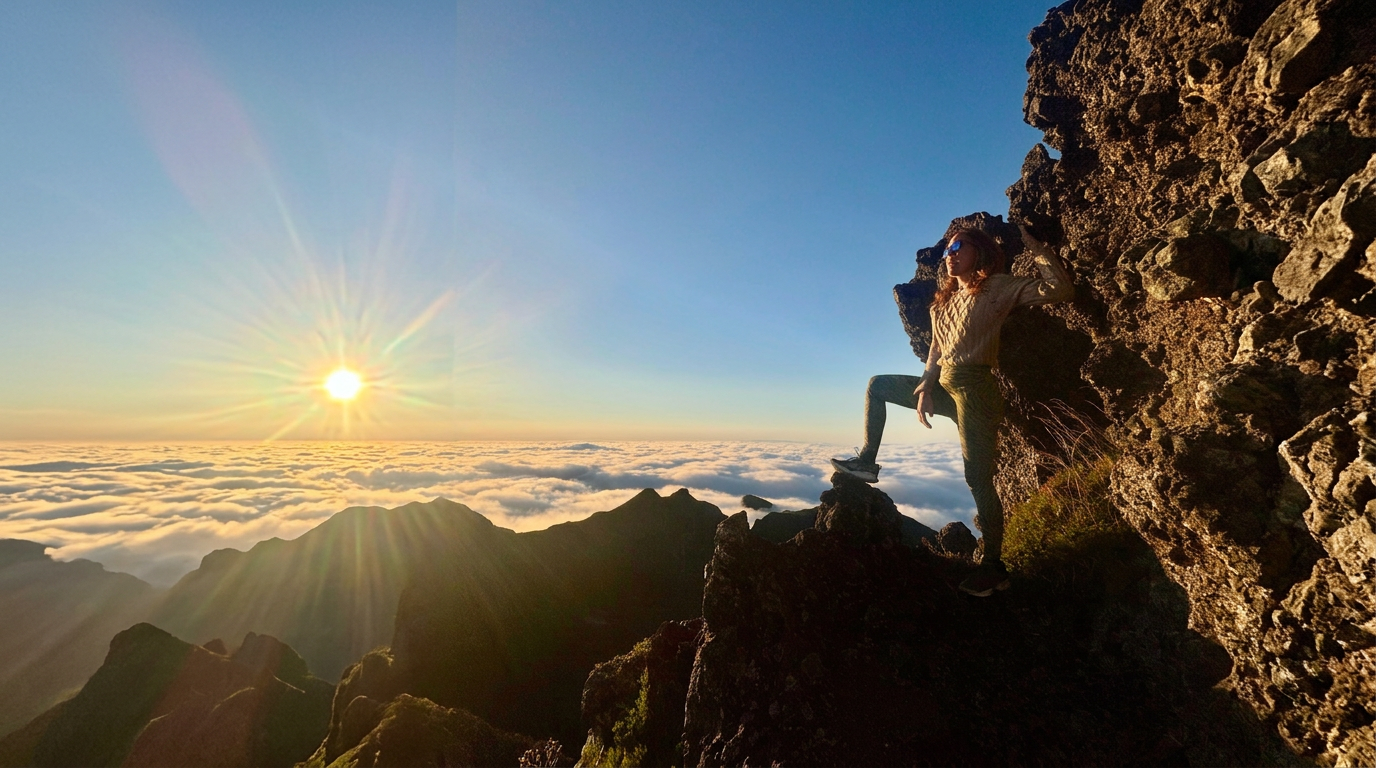
P.S. on the picture - I always find clarity while climbing mountains. Each peak feels unique. This shot was taken while climbing Chapman’s Peak in South Africa.
How to connect?
🚀 Alessa's newsletter reaches 25,000 investors, founders and professionals who are focused on solving the critical issues of our time. You can subscribe to it here.
👋 You can also connect with Alessa on LinkedIn and Instagram.
🎥 As a public voice of positive innovation, Alessa was approached by Gaia TV to create and host a docuseries about purpose-led breakthroughs. Alessa’s series “Road to Utopia” covers nuclear fusion, alternative education, regenerative & decentralized communities, the circular economy, longevity and more. “Road to Utopia” is available to watch globally on Gaia TV.